Transforming organizations by aligning people, purpose, and process
Leading from the Emerging Future
Sustainable cultural change for a community-based organization
Apartment 613
Context
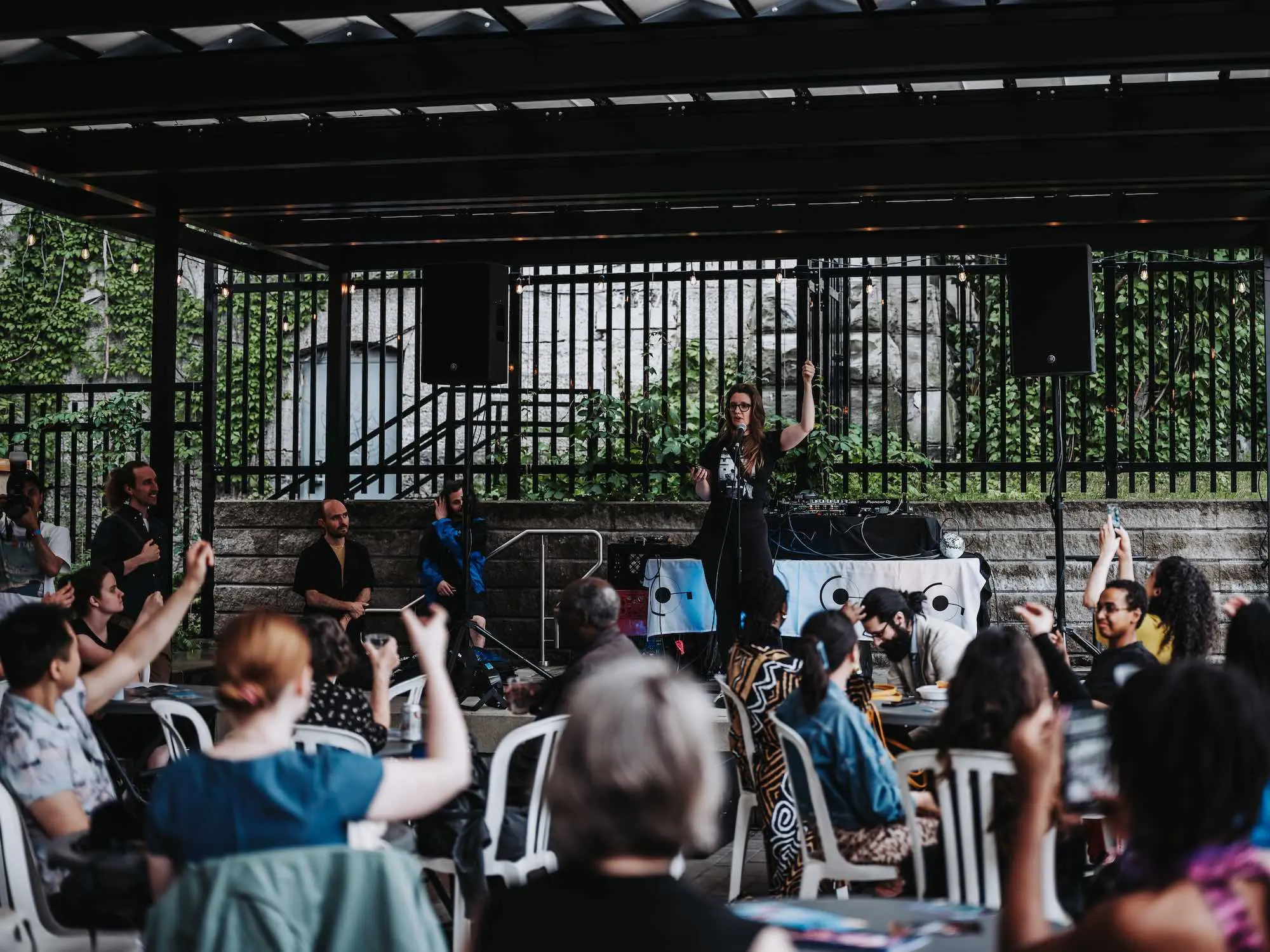
As Board Treasurer of Apartment 613, I led the organization’s first-ever strategic retreat for staff and board members to reimagine its operations and governance post-COVID-19.
Apt613, an award-winning digital platform for Ottawa’s arts and culture scene, had grown into the voice for all things cool in Ottawa over its 15+ years. But after the pandemic, while viewership remained strong, active contributors declined. To survive, the organization needed to transition from an informal structure to something more professional and sustainable—without losing its core identity of cool.
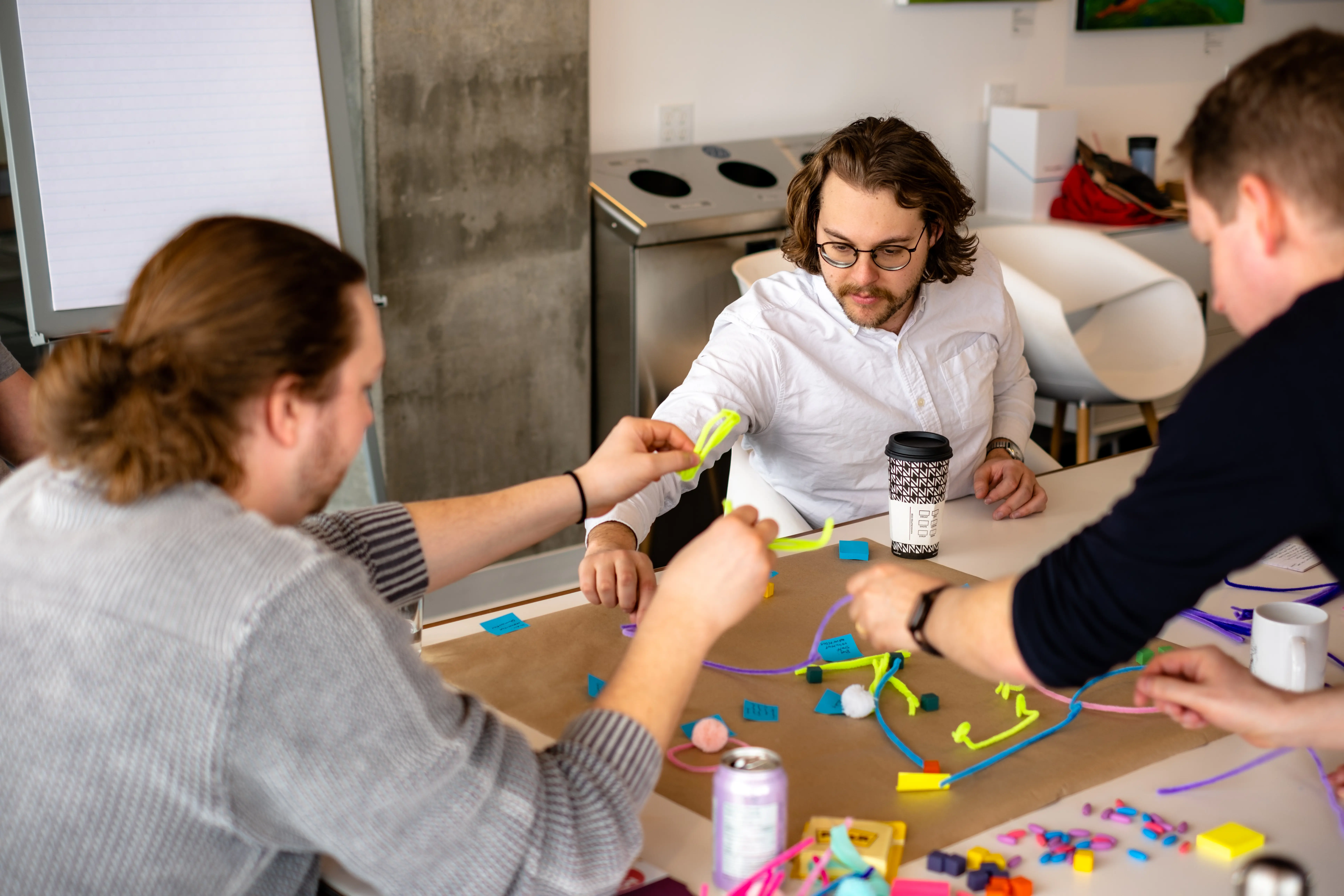
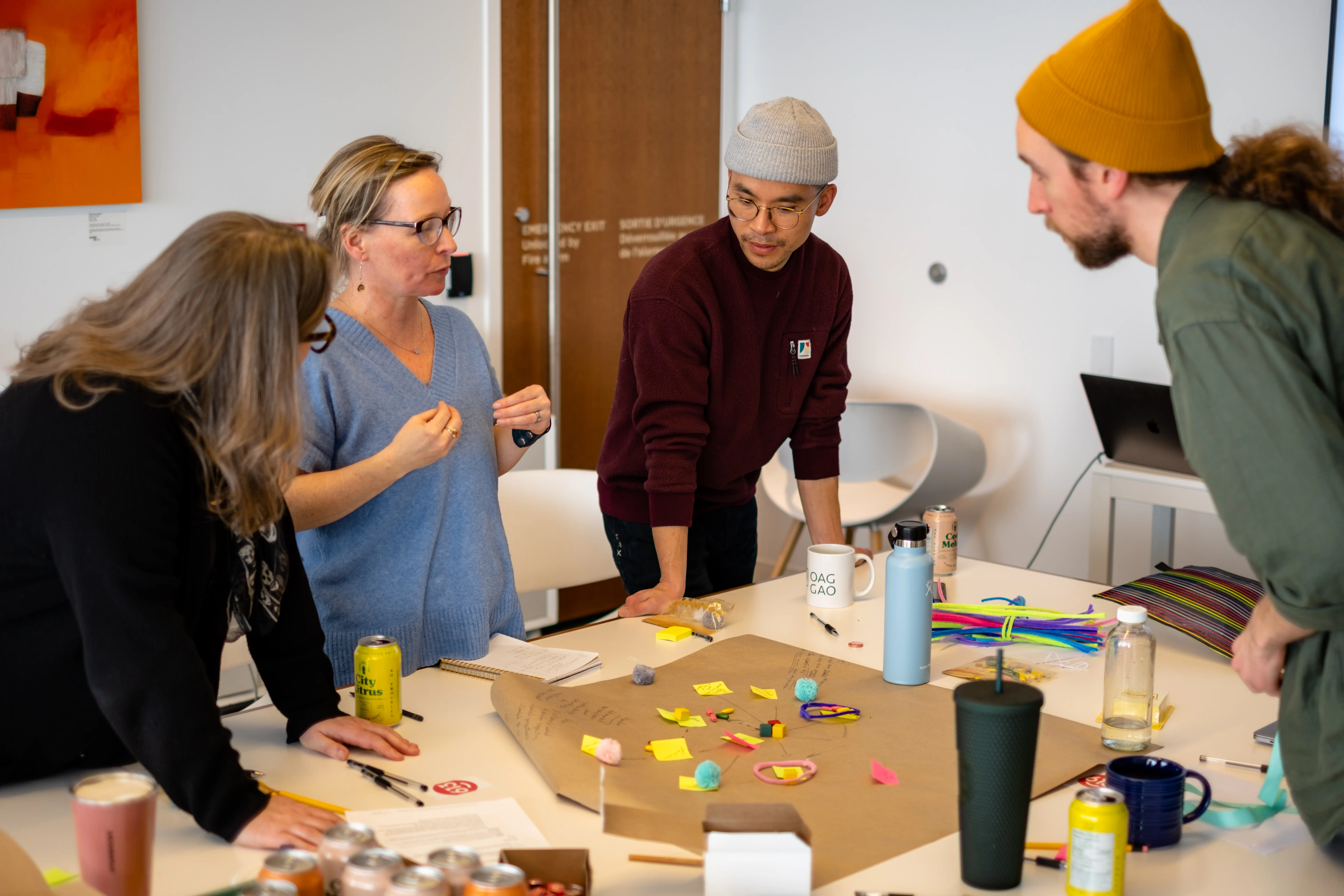
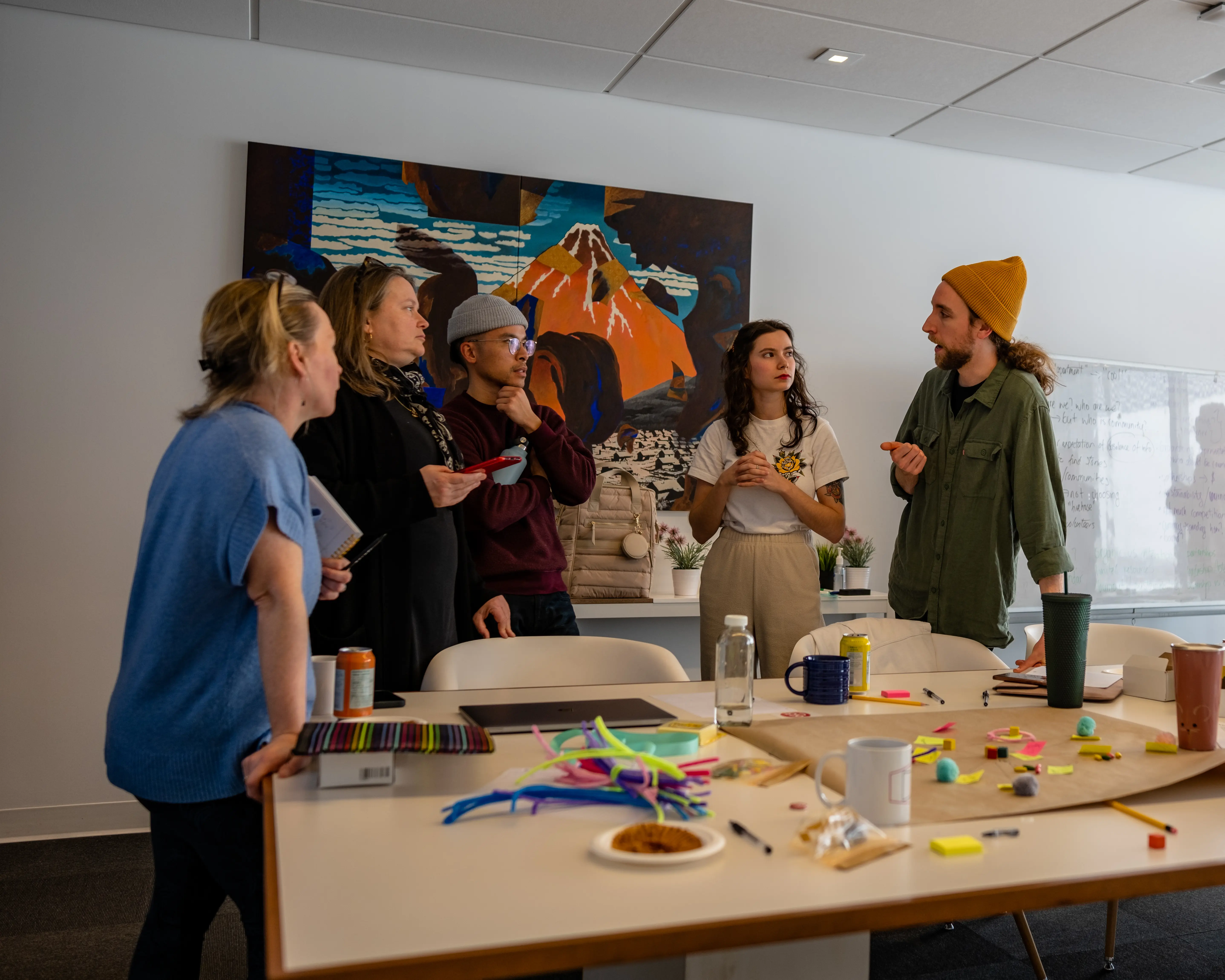
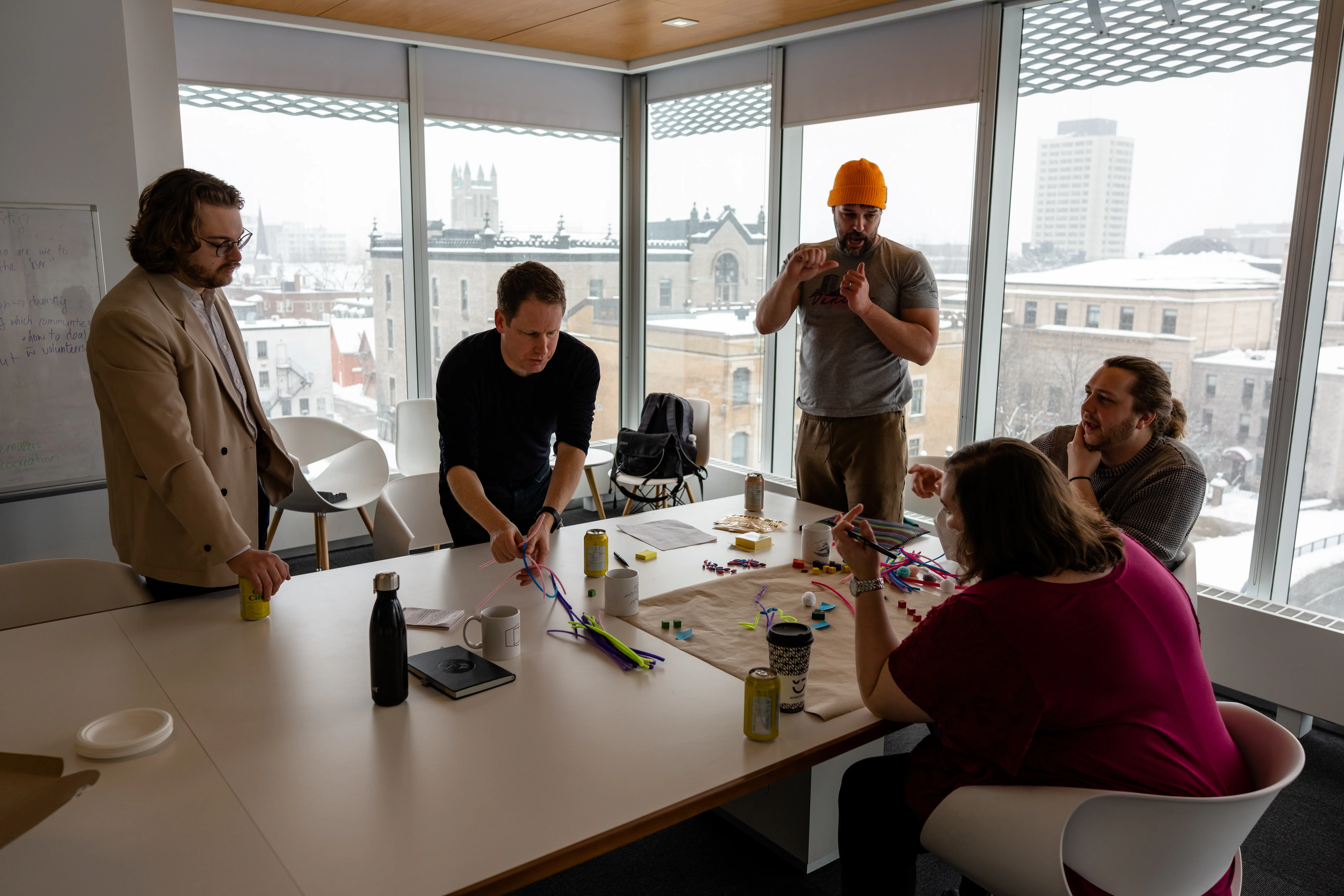
Over eight months, I facilitated sessions to build a shared understanding of the organization’s challenges, systemic barriers, and opportunities. One of the most impactful activities was the Presencing Institute’s 3D Modelling, a co-creative exercise that helped the group break old thinking patterns and uncover innovative solutions.
At a glance
Key Insights
Challenge
How can Apartment 613, Ottawa’s cultural voice for cool, transition into a more sustainable and structured organization without losing its identity, energy, or community trust?
Post-pandemic, the organization faced a drop in active contributors, despite strong viewership.
Its informal, scrappy culture—a key part of its appeal—risked becoming unsustainable.
The challenge: Balance professionalization with authenticity, ensuring growth didn’t dilute its core.
Process
Designed and facilitated a strategic planning journey using Presencing Institute’s awareness-based methods, blending personal reflection, action research, and creative collaboration.
Deep facilitation: Used techniques to refine ideas, build trust, and foster rapid consensus-building among staff and board.
Playful problem-solving: Created a safe, judgment-free sandbox where the group could explore responsibilities, challenges, and opportunities in a social yet structured way.
Shared understanding: The sessions laid a foundation for the group to align on problems and solutions, ensuring everyone moved forward together.
Solution
A strategic planning experience that:
Combined tangible outcomes (actionable plans) with relational growth (trust and connection between board and staff).
Used creative, iterative methods to break old patterns and unlock innovative thinking.
Provided a container for exploration, allowing the group to reimagine their roles and the organization’s future without judgment or fear.
Impact
A shared vision: The group emerged with a clear, collective understanding of Apt613’s challenges and opportunities.
Stronger relationships: The board and staff built trust and connection, creating a foundation for future collaboration.
Sustainable evolution: Apt613 gained the structure and clarity needed to grow—while preserving its cultural identity and spirit.
A Core Belief
Lasting change happens when we look beyond symptoms and work together to transform the systems and relationships shaping our lives.