Social System Design driving equity & inclusion
Advancing Diverse Talent
A one-of-a-kind Sponsorship Program for historically marginalized employees within Natural Resources Canada
Natural Resources Canada
Context
Natural Resources Canada launched a sponsorship program to prepare Indigenous, Black, and racialized employees for leadership roles as part of its commitment to advancing reconciliation, equity, diversity, and inclusion.
Research shows marginalized employees often face systemic barriers, including limited career mobility and unsupportive work environments.
While the program’s goal was simple—matching sponsors with employees—we needed to design it carefully to avoid replicating the very barriers it aimed to dismantle.
I co-led stakeholder engagement and developed the pilot program, aiming to not only increase diversity in leadership but also build long-term support systems. Our program identified barriers, connected employees with senior leaders, and turned those leaders into advocates for cultural change within the department.
At a glance
Key Insights
Challenge
How can we co-create a sponsorship program that truly understands the experiences of marginalized employees, meets their needs, and fits within the risk-averse culture of government?
Marginalized employees face systemic barriers in career advancement, including bias and lack of access to opportunities.
Existing programs often fail to address root causes of inequity, replicating harm rather than dismantling it.
Government contexts prioritize risk management, making it challenging to innovate or center human needs.
Process
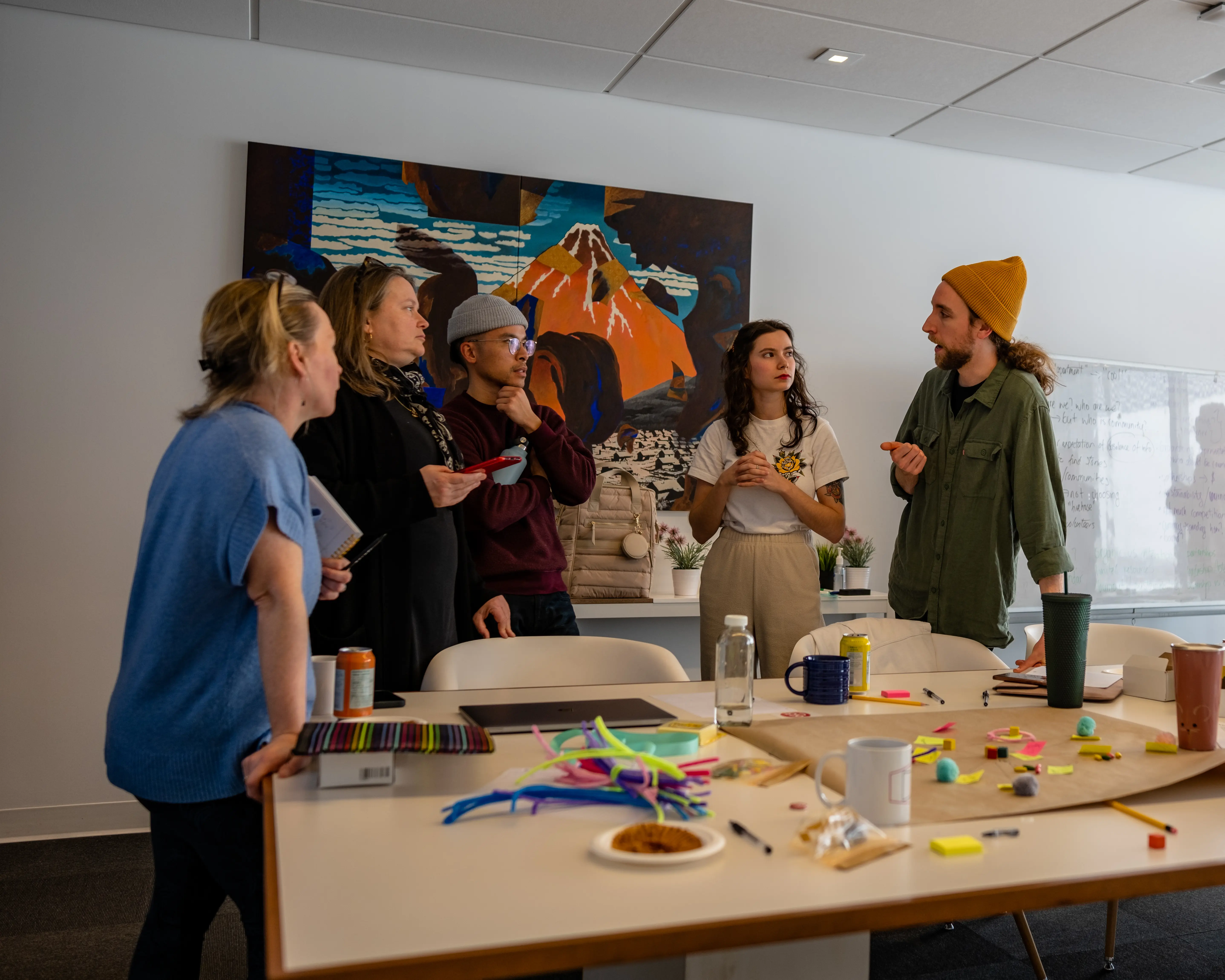
Led months of stakeholder engagement with equity-impacted employees, senior management, and leadership to design from the margins.
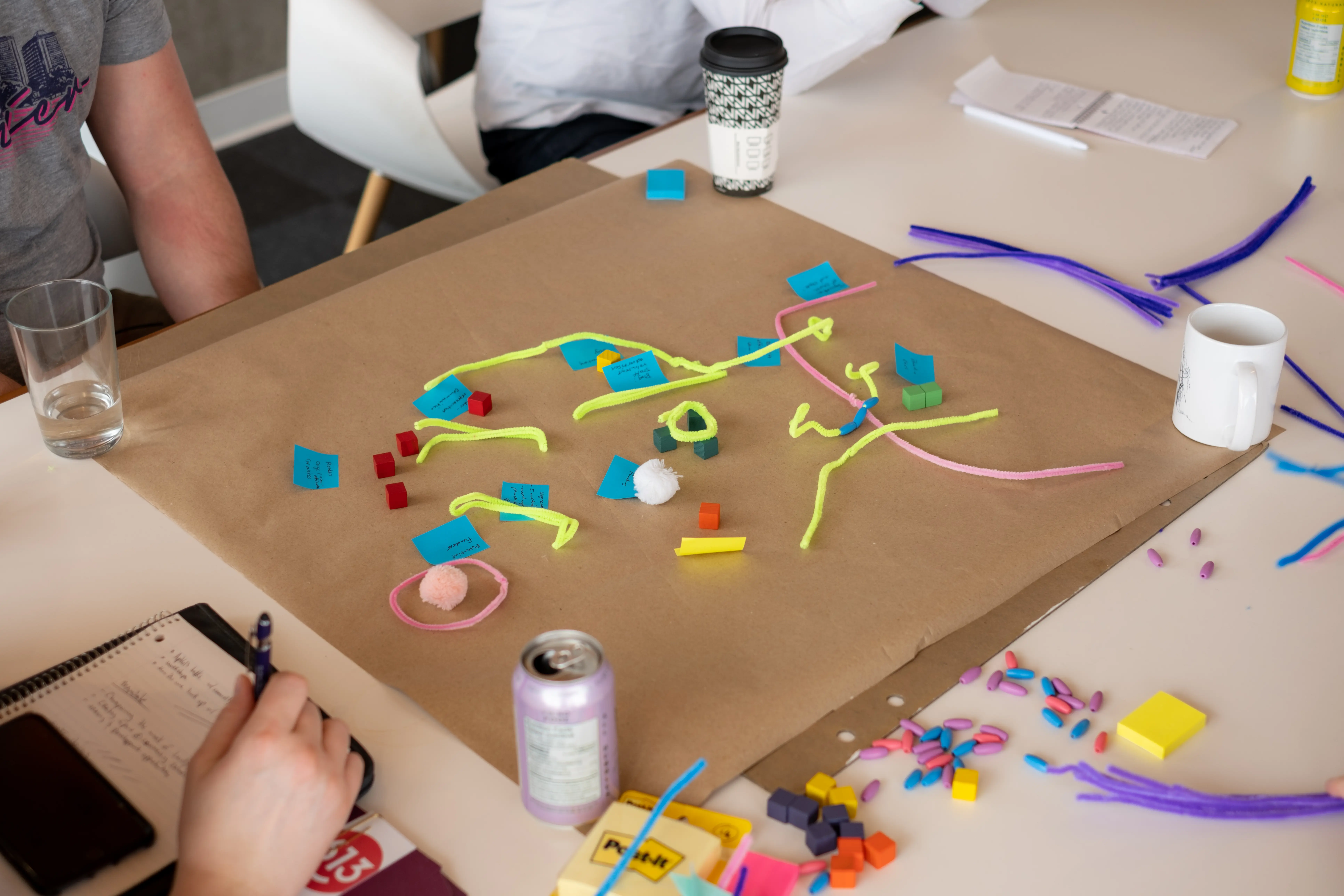
Deep listening: Facilitated workshops with racialized colleagues to develop personas of participants and sponsors, using data from within and outside the public service.
Human-centered design: Introduced colleagues to human-centered methodologies, shifting from conventional approaches to ones that prioritized lived experiences.
Bridging divides: Leveraged my structural social work background to identify power dynamics and socio-cultural phenomena, fostering understanding between racialized employees and leadership.
Solution
Matches marginalized employees with executives to articulate career goals and access opportunities.
Empowers participants with the support needed for success.
Creates mutual learning—executives gain insight into challenges faced by marginalized employees, while participants decode workplace power dynamics.
Drives cultural change by influencing top-down shifts toward equity.
Impact
Refreshed approach: Colleagues described the human-centered methodology as innovative and refreshing compared to traditional processes.
Trust and support: Provided a safe, non-judgmental space for participants to navigate workplace culture and power dynamics.
Systemic change: Laid the groundwork for long-term equity by addressing both immediate career needs and structural barriers.
Impact
Taylor is incredibly emotionally intelligent and a strategic thinker — hate to say an outside the box thinker because there is never a box around her thoughts. She builds relationships that feel authentic and not one way or transactional. She so effortlessly creates structure and organization.
- Sachelle Pardo NRCan Communications Advisor