Why does a Social Worker need design-thinking?
The role of design-thinking in transformational change
I am not a conventional Social Worker. I don't work in clinical settings despite training in various psychotherapeutic and counselling modalities. I don't work for a government or community agency working on the front lines of major social, political, and economic issues like homelessness, poverty, or domestic violence.
Instead, as a Design Facilitator I help others organize themselves to do that work with greater clarity and purpose using a design-thinking approach.
What is design-thinking?
Whether a program, service, or product is successful is a design problem. Good design understands the underlying need that program, service, or product is addressing and tailors a solution to that need – the specific need of a targeted group.
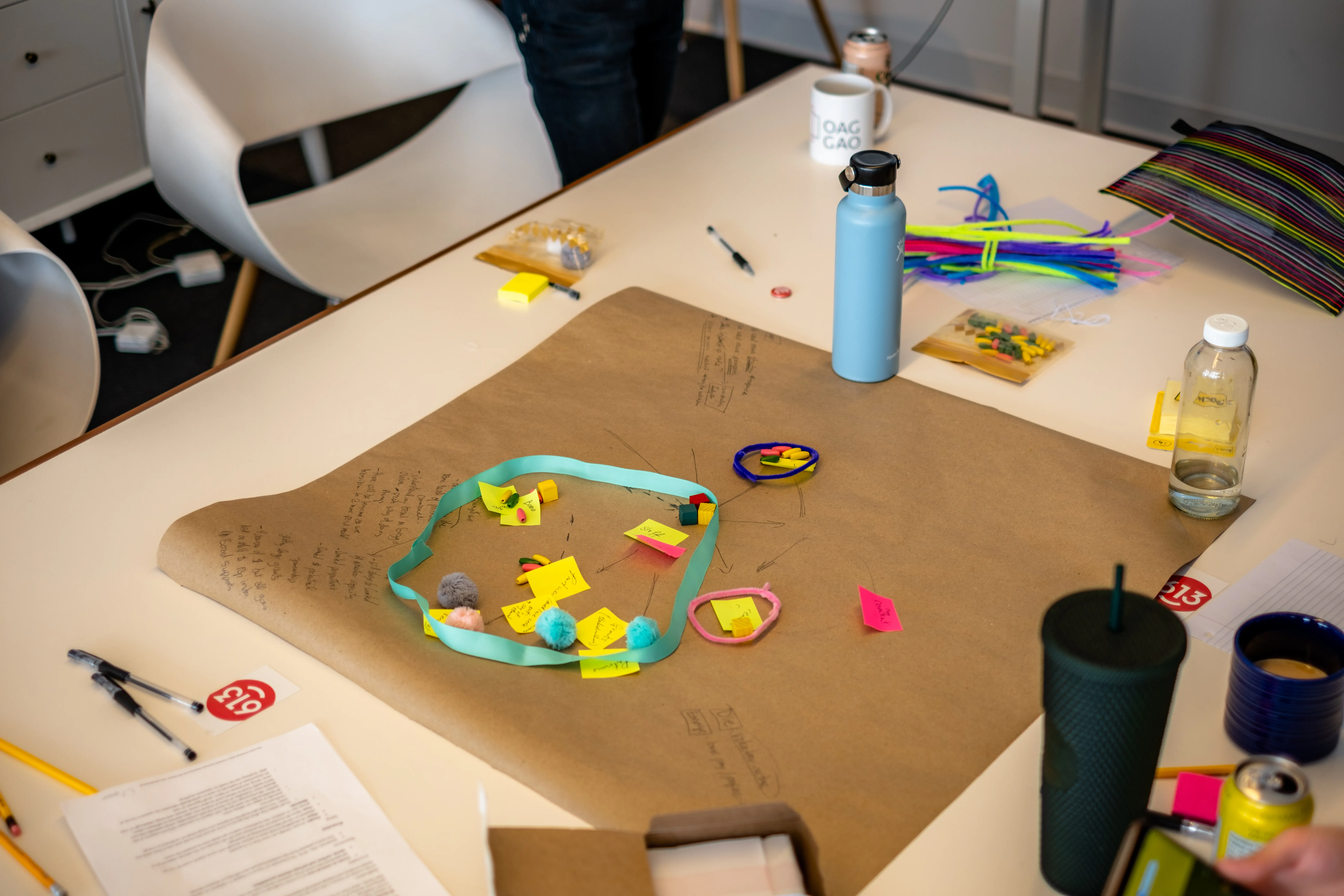
Design-thinking is a collection of processes and strategies that utilizes both right and left brain to problem solve. There is as much creativity and intuition as there is reason and traditional research. There are many frameworks and approaches within the design world, each turning the volume up or down on any particular feature but all include the same basic cycle: inspiration, empathy, ideation, and implementation. These are not necessarily discreet stages as there is a lot of blending and borrowing from each, and often this cycle will be repeated several times before landing on a solution.
Human-centred design & my Social Work approach
I subscribe to the human-centred design (HCD) framework: a solutions-focused approach to problem solving that places end-users in the centre of the process.
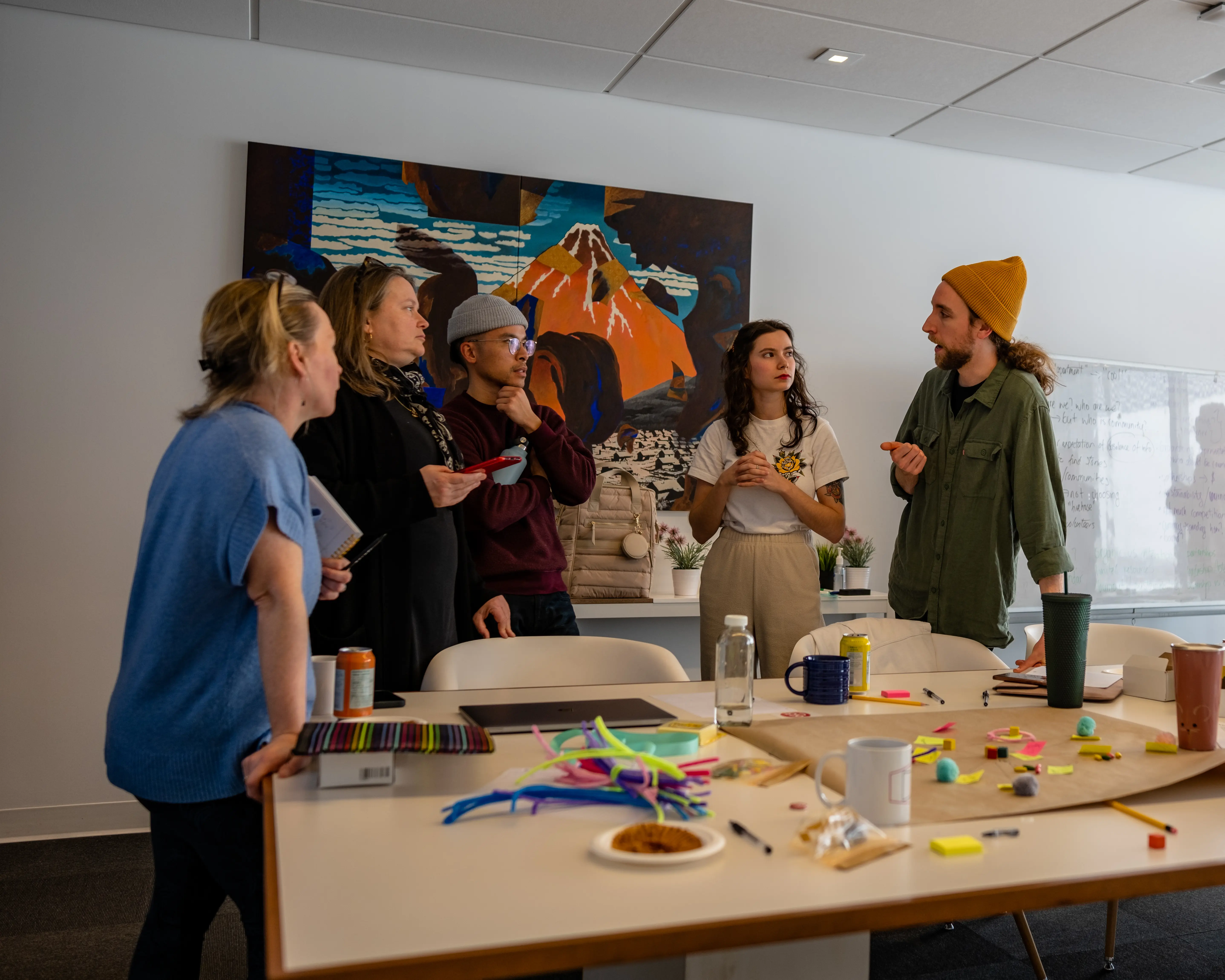
This is the where the magic happens for me. As a Structural Social Worker, I am not the expert on anyone else's experience, I empathize to understand and co-develop solutions that promote human flourishing that are tailored to a specific need. HCD blends naturally with my client-led, strengths-based approach within the helping field. My role as a Design Facilitator is to lead from behind and attune to the group, ever remaining flexible to the emergent energies, needs, and shifts in perspective.
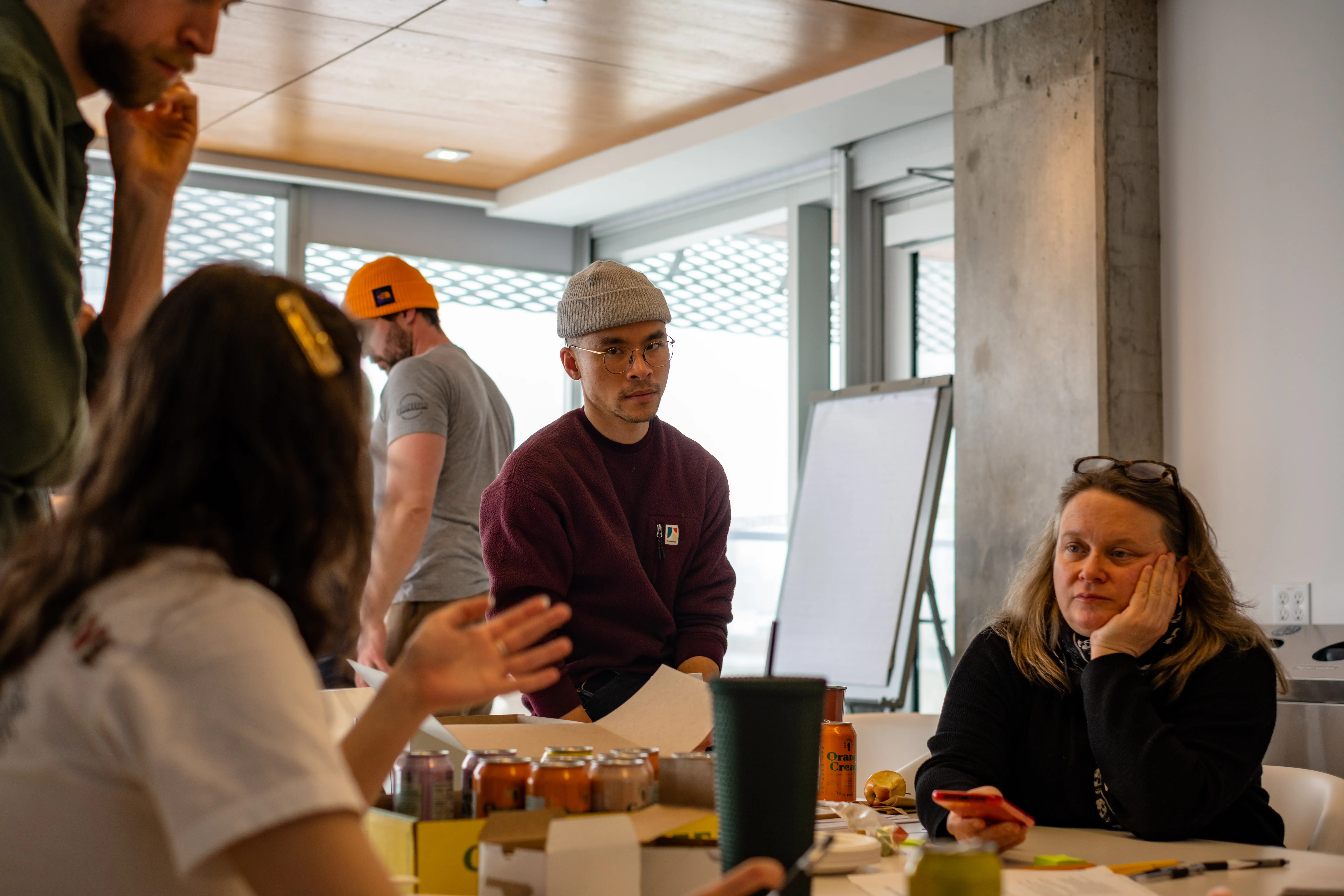
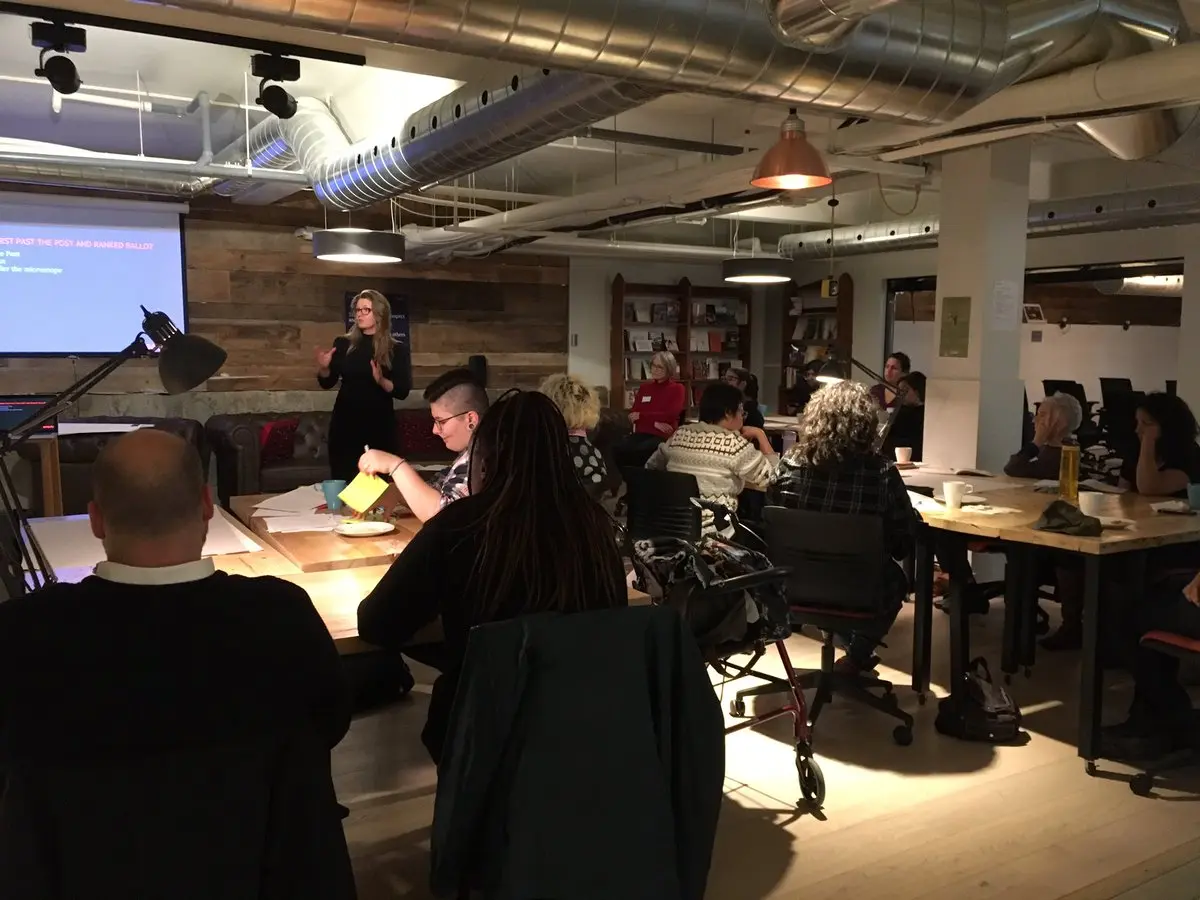
This approach is also a participatory one, which builds connection and trust amongst participants, knowledge-sharing in all different directions, and the greater chance of empowerment by the community members involved in the design process. But most importantly for me, it is a way to be in a room with like-hearted individuals and play together. While the problems we seek to solve may be wicked difficult, there can be a sense of levity in the process that traditional problem solving lacks.
A process for transformational change
Design-thinking is a winning strategy for successful design that help teams and organizations cohere to do their best work, especially in the social service field, but it is not for the feint of heart. We all seek better impact measures, greater retention and response rate from service users, and to spend fundraising dollars on solutions that make a difference. The way to do that is to include those who you are trying to help, to listen and learn deeply, and be courageous in acting on the solutions that emerge. Designing effective solutions takes courage, and we need courage to design the world we want.
Reflection
Why implement programs and services that don't really address the needs of the people they are supposed to serve? Does this not lead to staff burn-out, increasing mistrust by service users, and a general feeling of hopelessness for a better world? Who benefits from